

Across northwest Syria, over a million people have begun to return to their areas of origin after years of displacement, but the journey home is only the first step in recovery.
In many towns across the country, homes are damaged, services are unreliable, and local economies have largely stalled. Fields that once sustained families have gone untended, and small businesses that anchored daily life have yet to reopen.
Humanitarian assistance played a critical role in helping people survive during the decade-long conflict. But as returns accelerate, a different question is becoming more urgent; what are the long-term solutions that make staying possible?
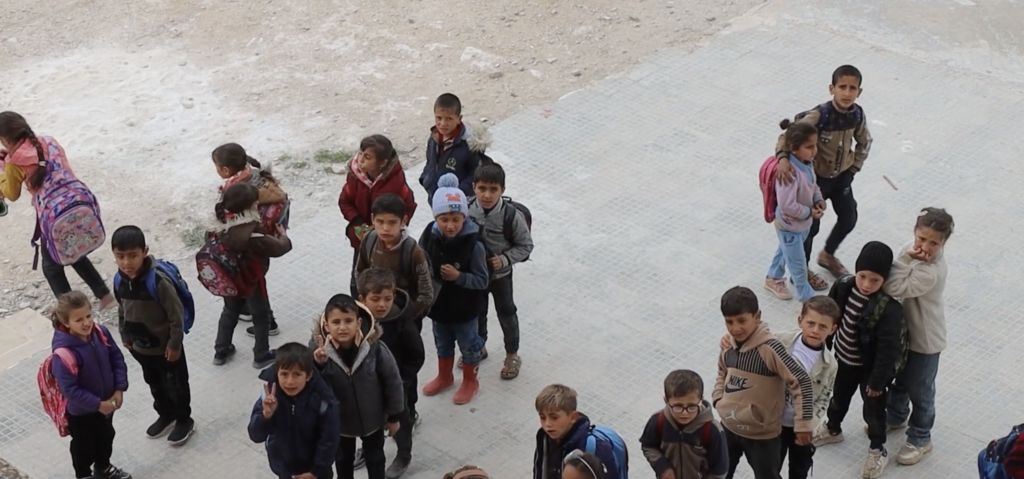
At Global Communities, we are focused on supporting the next phase of early recovery by helping Syrians rebuild local systems, strengthen markets, and ensure communities can reestablish the foundations of daily life.
This work is being advanced through our Department of State-funded Lifesaving Interventions for Emergencies program, known as LIFE. Now in its third year, LIFE is continuing to provide lifesaving food and water and sanitation assistance in four IDP camps, while expanding support in areas of return and host communities.
Through LIFE, that support includes agricultural assistance, shelter and infrastructure repairs, market systems strengthening, on-the-job training, and livelihood support designed to help families return safely and stay with dignity.
the power of seeds
Before the war, Kafr Sajna was home to 20,000 people and in 2019, the entire village was displaced. In the last year, people have been returning to the agriculture-reliant community where recovery is already growing in the fields.
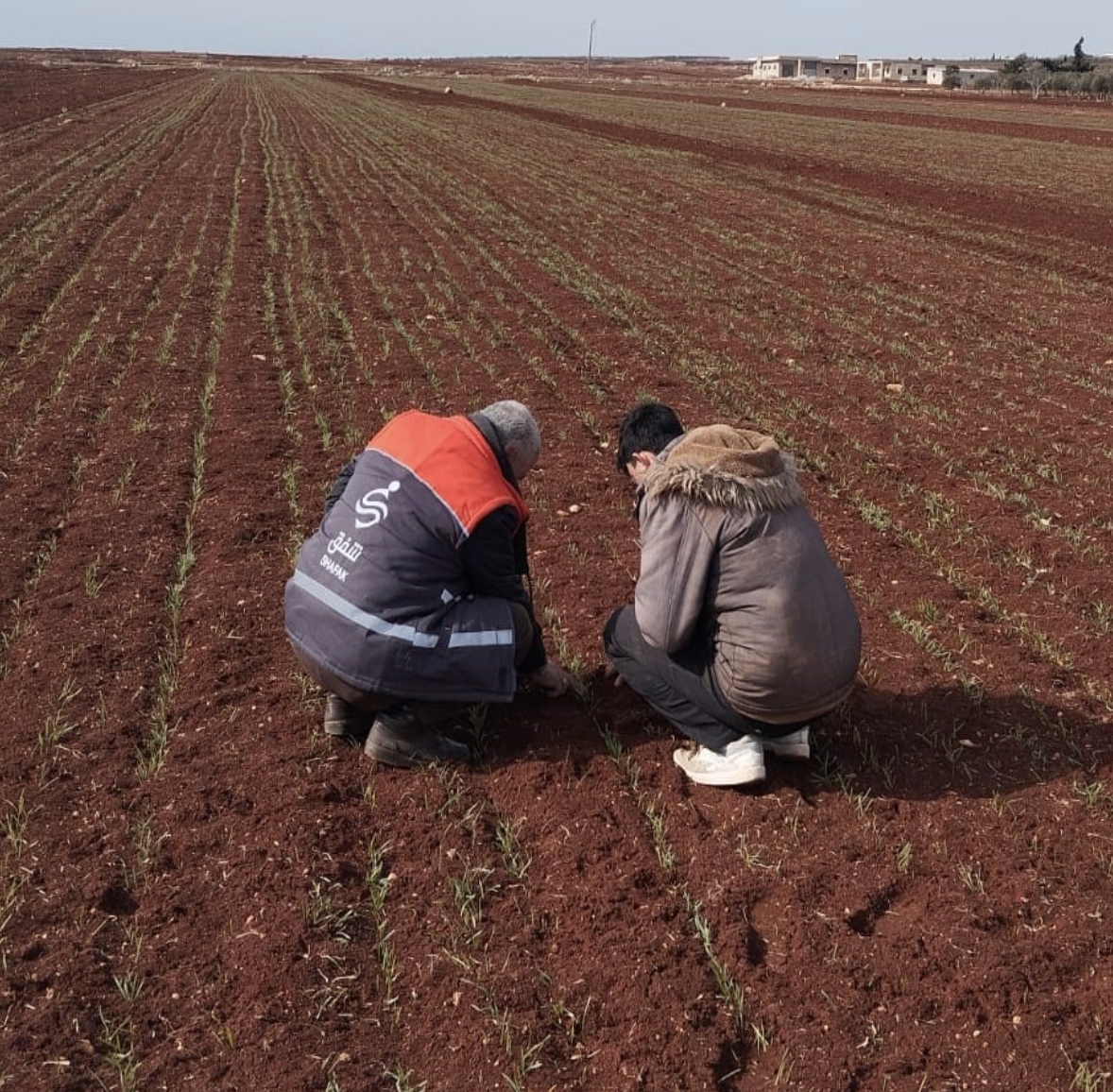
With support to access seeds and fertilizers, farmers like Mohamad Abdulrazzak Subaih have begun cultivating their land again after years of displacement. His recent barley harvest is expected to produce 2.2 tons of grain and 2 tons of hay, providing vital fodder for his livestock, which in turn generates milk, cheese, and meat for local markets.
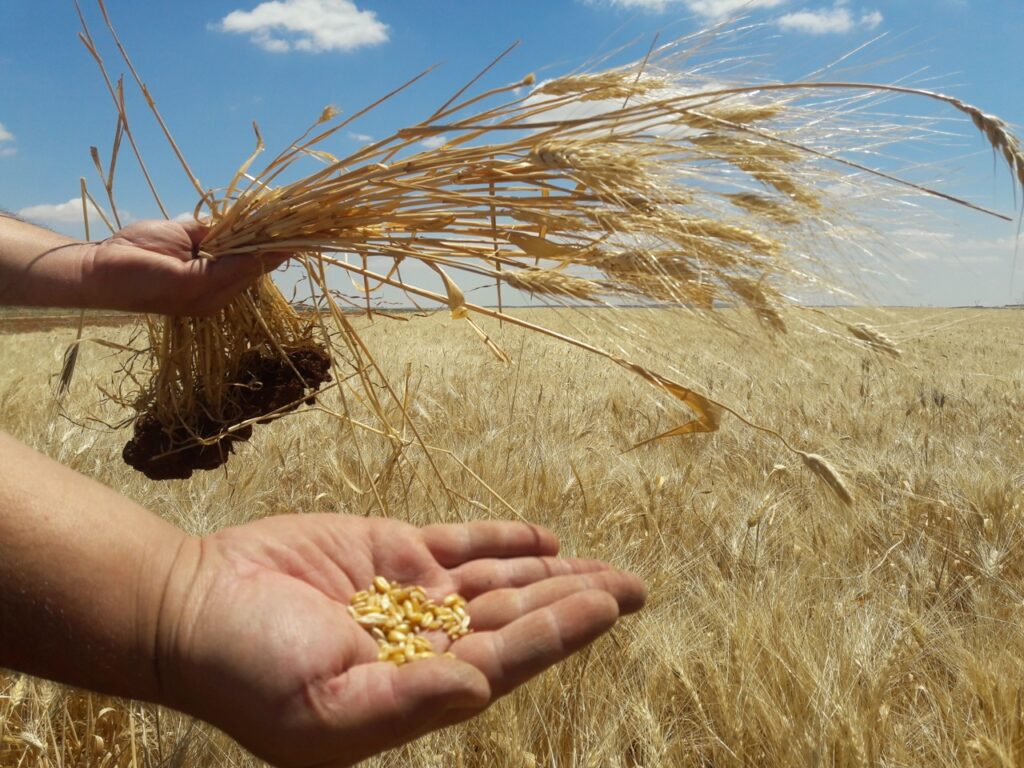
Just as important, farmers are setting aside a portion of their harvest to share with others in the next season by creating a cycle of production that can continue beyond initial support. Across the community, dozens of farming households are taking similar steps to reestablish agriculture as a reliable source of income.
But employment and income alone are not enough to sustain life in Kafr Sajna.
rebuilding systems and schools
For recovery to last, communities also need functioning services, reliable water systems, access to schools, and the infrastructure that makes daily life livable.
Fadia Ghara, an English teacher in Kafr Sajna, was displaced to Northwest Syria in 2019 and returned home in 2025. She and other returnees were faced with the harsh reality of what the war had done to their village; the school buildings were destroyed, along with the desks and supplies inside, windows and doors.


Through the LIFE program, water and sanitation networks serving thousands of households are being rehabilitated, alongside investments in schools that allow children to return to the classroom. These systems reduce the cost of living, improve health conditions, and make it more realistic for families to remain.
“I am very happy because restoration will happen. This will surely have a positive impact on us, both as students and teachers, so that we can build a bright future.”

Reviving PIstachio production
Further south in Khan Shaykhun, recovery is also taking shape through the revival of local industry. Once known for pistachio production, the area is slowly rebuilding its value chain. Small workshops are fabricating processing equipment using locally sourced materials, while young returnees are training as apprentices and beginning to re-enter the workforce.
Home-based businesses are also reemerging. Women are producing traditional pistachio sweets and supplying local shops, helping restore both income and a sense of normalcy to the community.

Looking Ahead
Around 1.6 million refugees and 1.9 million internally displaced persons (IDPs) have returned to their areas of origin since December 2024, marking a complex transition point from emergency response toward reintegration support and more durable solutions.
As Syria enters this new phase, recovery will depend on a sustained investment in the local systems that allow communities to function — markets, services, and social networks that help people navigate uncertainty.
LIFE is the bridge between emergency needs and longer-term recovery so that families can continue to make voluntary, safe, and dignified returns.