
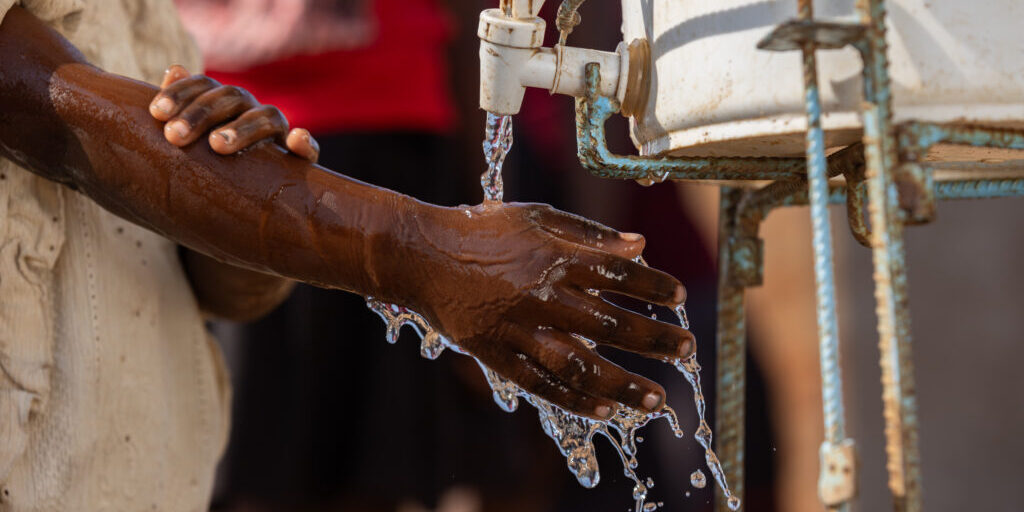
In Faux-Cap, a remote community in southern Madagascar, a simple bar of soap can make a significant difference.
For many families, soap has long been difficult to find or too expensive to purchase regularly. Without reliable access, practices like handwashing become harder to maintain, increasing the risk of common illnesses that can affect children’s health, school attendance, and daily life. Many young people, especially women, also face limited pathways to earn an income and build a future close to home.
To help address both challenges, the Mianatra project identified community-based soap production as a practical, sustainable solution. As part of the project’s broader work to improve health and well-being in school communities, youth associations were selected to help lead the effort. In Faux-Cap, a group of determined women from the Fandrosoa Youth Association embraced the opportunity to blend entrepreneurship with public service.
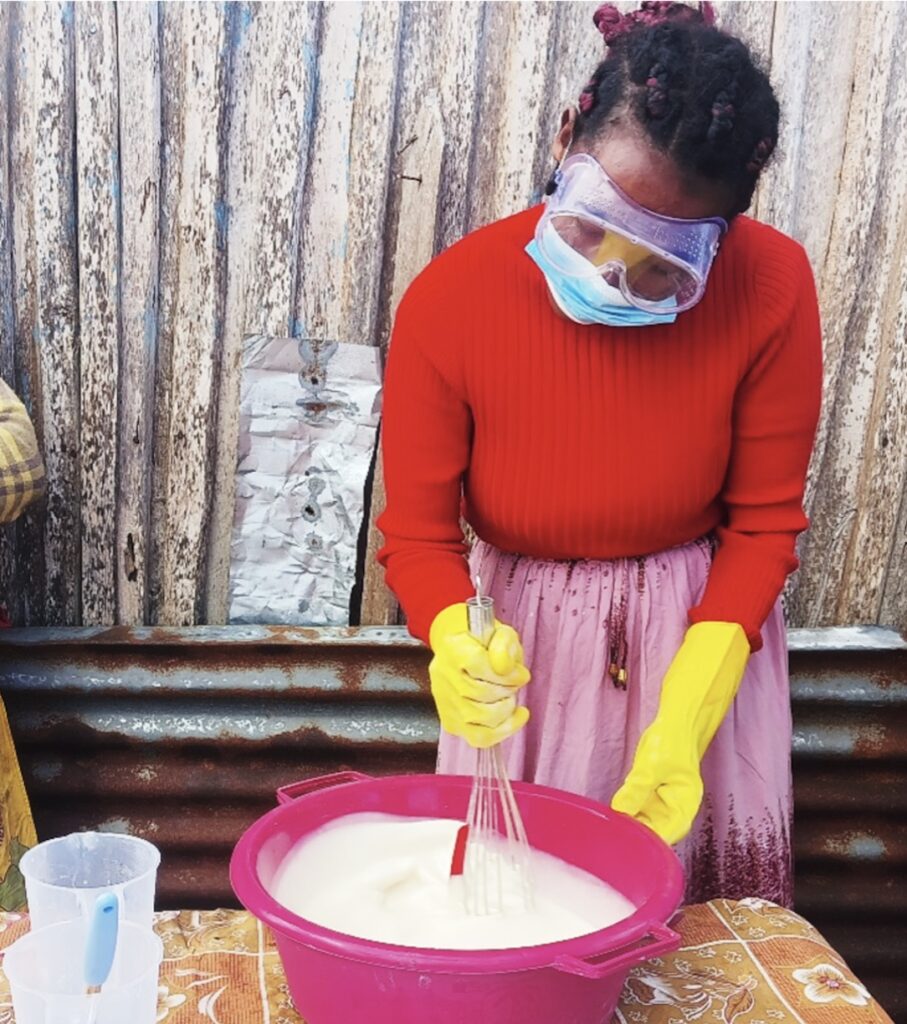
With support from Global Communities and the U.S. Department of Agriculture, members learned how to make and market affordable soap using locally available materials. The project also provided initial supplies and simple equipment to help get the activity off the ground. Those resources, combined with the group’s commitment and organization, helped launch a small business that is meeting an essential community need while creating economic opportunities for its members.
The young entrepreneurs’ first major customer was the Mianatra project itself, which purchased the association’s first 1,000 bars of soap for distribution to local schools. The purchase helped increase access to soap for students and school communities while providing the group with a secure initial market outlet and a strong economic springboard. With guaranteed demand for their first production run, the association was able to generate early revenue and build confidence in their business.
Since launching the enterprise, the association has produced and sold more than 1,300 bars of soap. Following the initial 1,000-bar purchase, the group has continued manufacturing and marketing soap locally, while gaining practical experience in production, sales, inventory management, and savings activities. As members strengthen their business skills, they are also increasing their financial independence. Revenue from soap sales is reinvested into purchasing new materials and growing the association’s savings fund, creating a foundation for the business to continue expanding.
Today, the association is known not only for the soap it produces, but for the example it has set. By making an essential household product more accessible and generating income for its members, the group is helping strengthen both community health and the local economy.
Fandrosoa’s success also points to possibilities beyond a single community. With a straightforward production process, locally available materials, and active youth associations already present in many communities, the model has strong potential for replication. As new markets emerge through schools, community organizations, and health facilities, initiatives like this one could help more municipalities improve access to essential hygiene products, create new pathways to self-reliance, and elevate the role of young women as leaders.