
Ghana
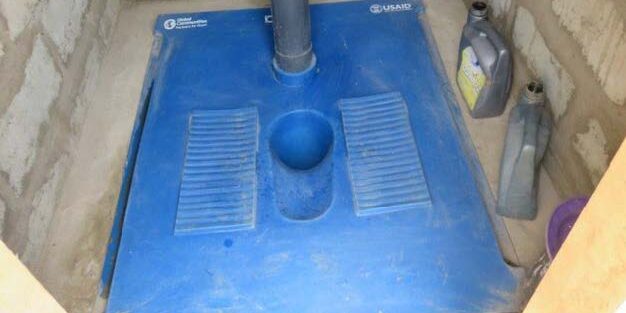
Beyond Technology – Strengthening Ghana’s Rural Sanitation Market
Through the Enhancing Water, Sanitation, and Hygiene (WASH) program, USAID Ghana is helping to increase access to sustainable and affordable sanitation in six regions of Northern Ghana by addressing the barriers for a poor-inclusive rural...
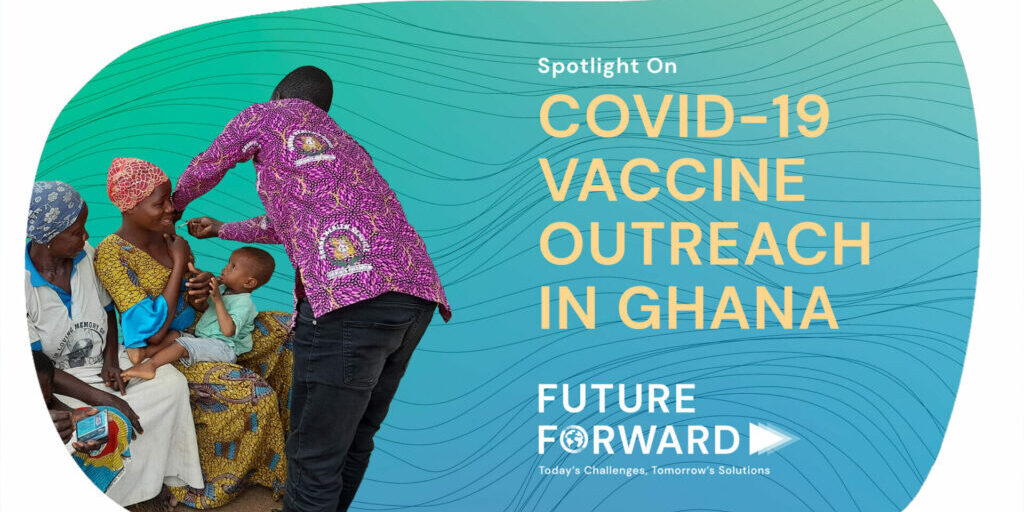
Protecting Ghana from the Spread of COVID-19, One Community at a Time
By Emefa Baidoo and Senam Ntow Like many other countries in sub-Saharan Africa, Ghana was not prepared to respond to the COVID-19 pandemic. With a population of more than 31 million people and just one...

Working to End Period Shame and Poverty in Parts of Africa
Lack of education on menstrual hygiene and health, persisting taboos and stigma, limited access to menstrual products and poor sanitation facilities undermines the educational opportunities, health and overall social status of women and girls around...


The Role of WASH in Sustaining Maternal Health During Delivery: Reflections from Global Communities WASH for Health Program, Ghana
“At about 12 midnight in June 2019, a baby boy was born to a young couple at Tutukpene Health Center,” recounts Monica Hwanompe, the Senior Community Health nurse who doubles as a midwife at the...
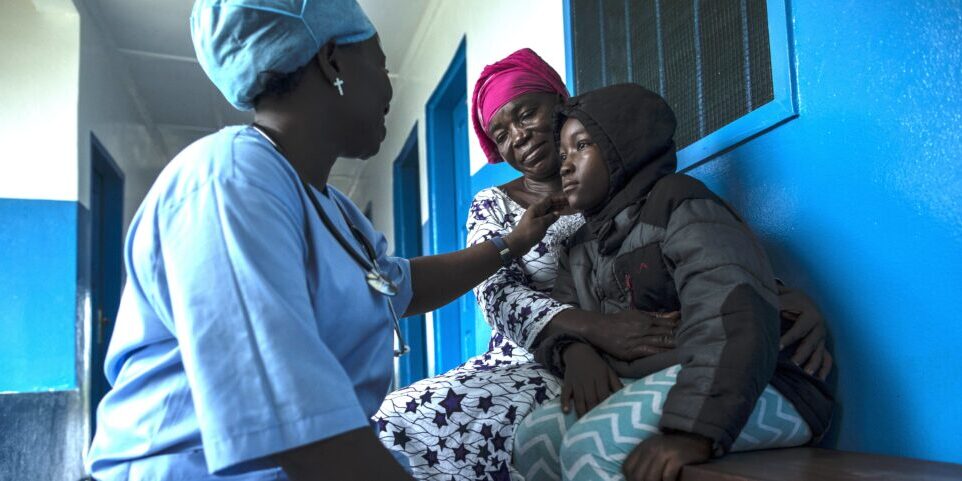
Global Health
Health is shaped far beyond the walls of hospitals and clinics. It's defined by the environments people live in, the food they eat, the safety they feel and the power they hold to influence decisions...

Improving Key Water, Sanitation and Hygiene Practices in Ghana Through A Behavior-Led Approach
Years of effort and focus by the Government of Ghana and its partners have yielded significant improvements in the country’s child morbidity and mortality rates. Still, every year, at least 4,000 Ghanaian children die from...
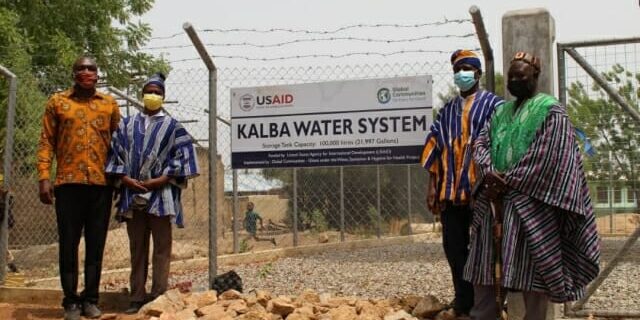
Kalba Community Benefits from the USAID Small Town Water System Approach
Traditional community-based rural water systems with their shallow wells and handpumps often do not provide sustainable water services. Pumps often break down and wells dry up; alternative water sources are frequently contaminated. This was the...
- « Previous
- 1
- 2
- 3
- 4
- Next »