
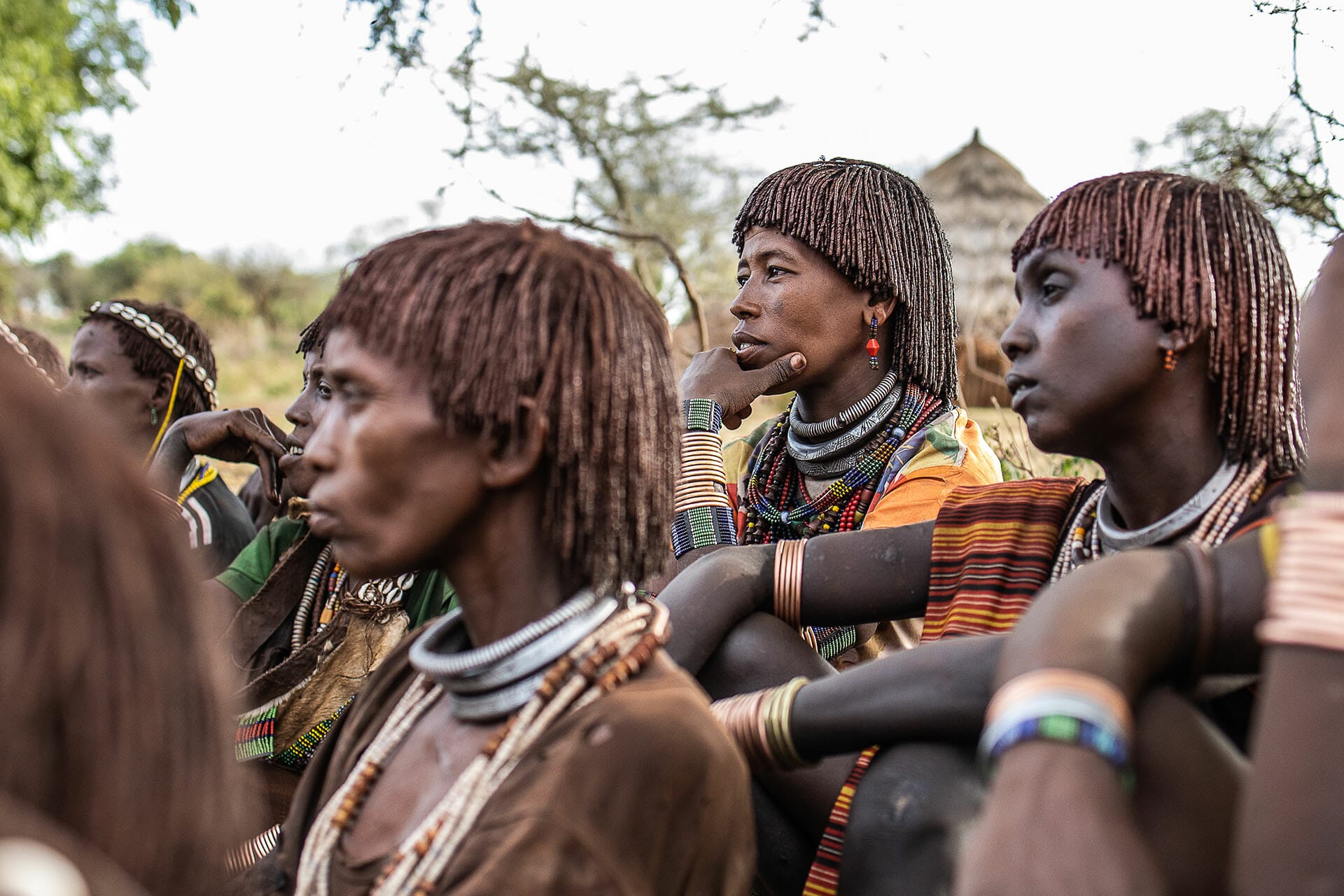
Since 2005, Global Communities (formerly PCI) has built a strong reputation in Ethiopia for community-based, integrated programming to build resilience in the face of climate and conflict-related shocks.
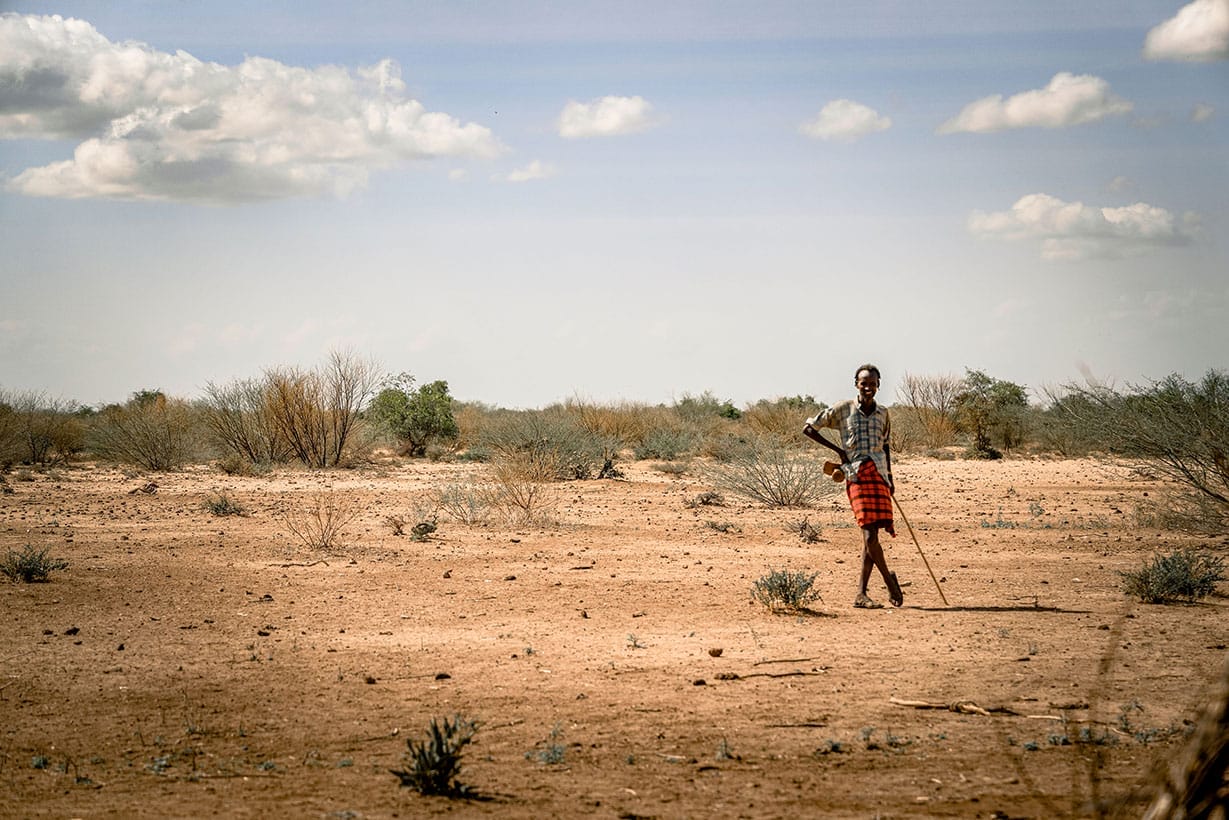
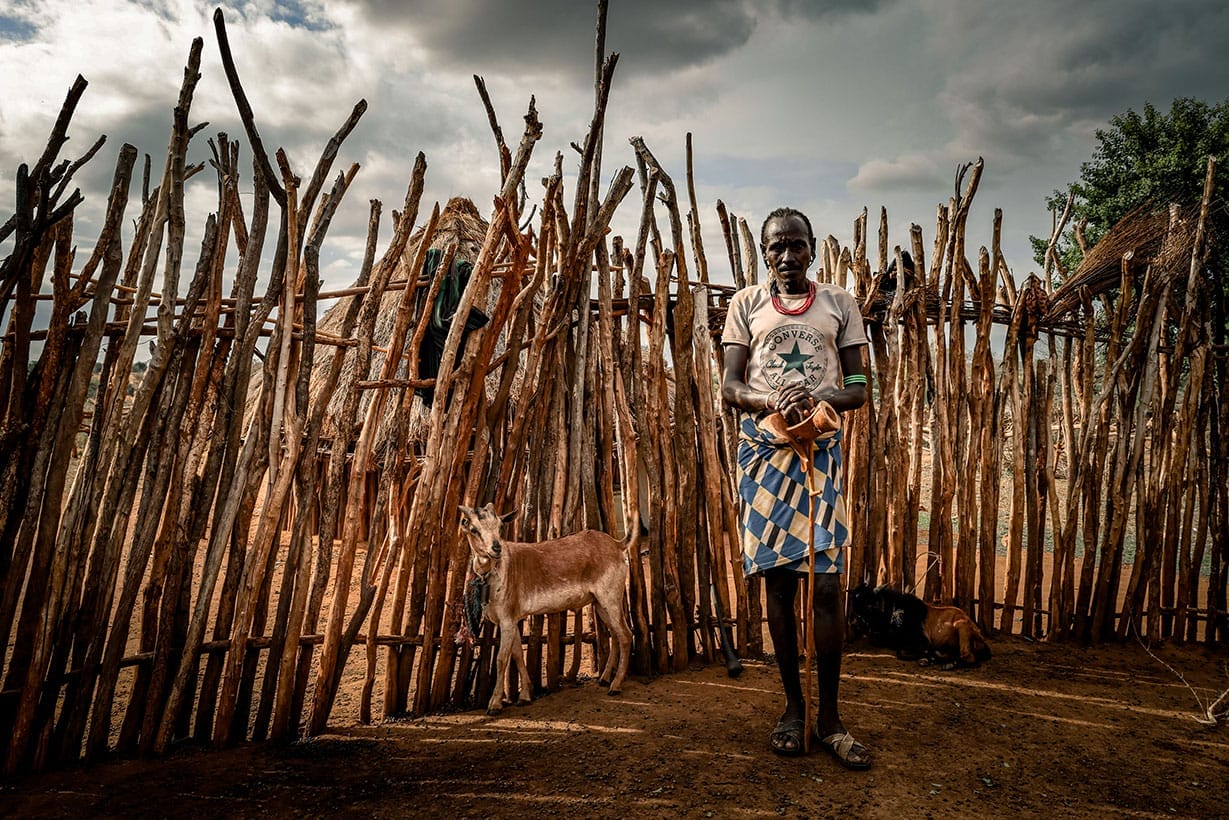
Ethiopia has been facing a greater frequency and intensity of disasters due to long-term environmental degradation and shifting global weather patterns, which are further exacerbated by climate change. The 2017 drought produced the worst food crisis in the country in 30 years. With no crops or rangeland to feed either themselves or their livestock, as many as 18 million people were at risk of hunger and disease. For the country’s pastoralists, who migrate their animal herds in search of fresh pasture and water, climate change has upended normal pasture growth patterns and led to substantially increased costs of scouting for pasture and supplemental feed when no pasture can be found. Hundreds of thousands of livestock have died from lack of food and water, leaving communities food insecure, malnourished and vulnerable.
With experience working in six of the country’s nine regions and two administrative cities, a significant presence in vulnerable lowland regions, and strong programmatic expertise in resilience, sustainable development, health, gender equity and social inclusion, Global Communities is uniquely positioned to help communities address these ongoing and emerging crises.
Our innovative program platforms such as the AfriScout app, which combines satellite data and mobile technology to help pastoralists find pasture and water, and the Women Empowered social and economic empowerment model, are also leveraged across programs to meet these challenges. These innovative approaches are carefully integrated with customary institutions and proven grassroots approaches, leveraging indigenous knowledge and traditions. Throughout Ethiopia, we are dedicated to partnering with local governments and communities to manage uncertainties while addressing root causes of their hazards.
Building Community Resilience in Pastoral Lowlands
With funding from the U.S. Agency for International Development (USAID) in Ethiopia, Global Communities (formerly PCI) has embarked on a five-year initiative to improve resilience to withstand and recover from climate and conflict-related shocks in some of Ethiopia’s most vulnerable pastoral regions. Through the Resilience In Pastoral Areas (RiPA) project, Global Communities, in collaboration with implementing partners GOAL and iDE, is addressing many of the root causes of vulnerability for pastoral families, such as poor livestock and crop productivity, limited access to markets, poor nutrition and limited options for livelihood diversification. Through RiPA, Global Communities is building community-managed disaster risk management capacity, improving pastoralists’ ability to locate green pastures to sustain their herds through the AfriScout app, increasing access to livelihood opportunities for individuals transitioning out of pastoralism (particularly women and young people), empowering young women and mothers through Women Empowered social and economic empowerment groups, engaging the private sector to improve crop and livestock production and marketing, and improving health and nutrition outcomes for women and children through proven behavior change strategies.
AfriScout: The Shepherd’s Eye in the Sky
AfriScout is revolutionizing the way pastoralists in Africa find pasture and water for their animals using the power of satellite and mobile technology. Developed by Global Communities (formerly PCI), the AfriScout app provides pastoralists with current information on water and vegetation conditions using localized community grazing maps. This data helps them make more accurate and cost-effective migration decisions, improve pasture management and reduce the risk of herd loss. AfriScout has mapped over 500,000 square kilometers of communal grazing lands in Kenya, Ethiopia and Tanzania and has more than 10,000 registered app users.
10,000
registered AfriScout app users across Kenya, Ethiopia and Tanzania
4,500,000
hectares of rangeland digitized for use in the AfriScout app across 9 rangelands
$30,000+
U.S. dollars saved by 281 women in Women Empowered groups
62 kebele
Level Disaster Risk Management committees trained and taking steps towards more robust self-reliance (each kebele is around 20 smaller villages)
Recent Programs
Building Resilience to Climate-Related Shocks
From 2014 to 2018, Global Communities’ USAID-funded project in Bale Zone, Oromia, mobilized communities to build their long-term resilience to climate change and related shocks. Among other notable achievements, Project “REVIVE” regenerated over 18,000 hectares of land to protect natural resources and reduced by 60 percent the amount of time women and girls spend fetching water through the rehabilitation and construction of 84 water systems, which are benefiting over 83,000 new users. (closed in 2018)
Our Work in Ethiopia
Sanitation & Hygiene
Advancing the Goal of Clean Water for All
Maternal, Newborn & Child Health
Improving Outcomes for Mothers and Babies
Climate Action
Meeting the Challenge of Climate Change
Enterprise & Market Development
Promoting Entrepreneurship and Market Linkages
Employment & Job Training
Supporting Inclusive Economic Growth
Expanding Economic Opportunity
Supporting Small and Medium-Sized Businesses and Community Savings and Lending Groups
Gender Equality & Social Inclusion
Lifting Marginalized Voices and Investing in Women as Leaders and Men as Allies
Health
Combating Disease, Improving Nutrition, and Ensuring Healthy Mothers, Children and Adolescents
Economic Opportunity
Advancing Job Training and Market Linkages for Sustainable Livelihoods
Resilience
Enhancing Food Security, Sustainable Agriculture and Water Management in Climate-Affected Communities
Sustainable Development
Standing with Communities as They Shape Their Own Future
Humanitarian Assistance
Meeting Human Needs in Conflict, Crisis and Disaster
Resources
Capacity Materials
Advancing Maternal, Newborn and Child Health and Nutrition (MNCHN)
Global Communities has worked to save mothers’ and children’s lives and improve their health and well-being since 1961. We implement integrated maternal, newborn, child health and nutrition (MNCHN) programs at the individual, family, community and institutional levels. On the supply side, we partner with governments, civil society, and frontline health workers to strengthen health systems,…
Research & Publications
Referral systems for preterm, low birth weight, and sick newborns in Ethiopia: a qualitative assessment
Teklu, Alula M., Litch, James A., et al. Referral systems for preterm, low birth weight, and sick newborns in Ethiopia: a qualitative assessment. BMC Pediatrics, Aug 2020 20:409. https://doi.org/10.1186/s12887-020-02311-6 A responsive and well-functioning newborn referral system is a cornerstone to the continuum of child health care; however, health system and client-related barriers negatively impact the…
NEWS
Latest stories from the blog

School Meals Expand the Right to Food for a Better Life and Future
By Joseph Bangnikon, Sr. Technical Advisor, Food Security Many children in low-income countries endure their entire school day without a nutritious meal, a situation that …
Read More
Women Forward: Closing the Gender Gap in Agricultural Productivity
By Chloe Pan While many traditional approaches to improving food security outcomes focus on addressing farmers’ agricultural knowledge and access to productive resources, they may …
Read More
Promoting Evidence-Based Approaches to HIV: Our Posters at AIDS 2024
By Paula Rudnicka, Sr. Manager for Public Affairs In July 2024, more than 11,000 people attended AIDS 2024 – the largest gathering on HIV and …
Read More
Putting People First in the HIV Response: Reflections from AIDS 2024
By Paula Rudnicka, Sr. Manager for Public Affairs It has been more than 40 years since the first cases of HIV and AIDS were identified …
Read More