
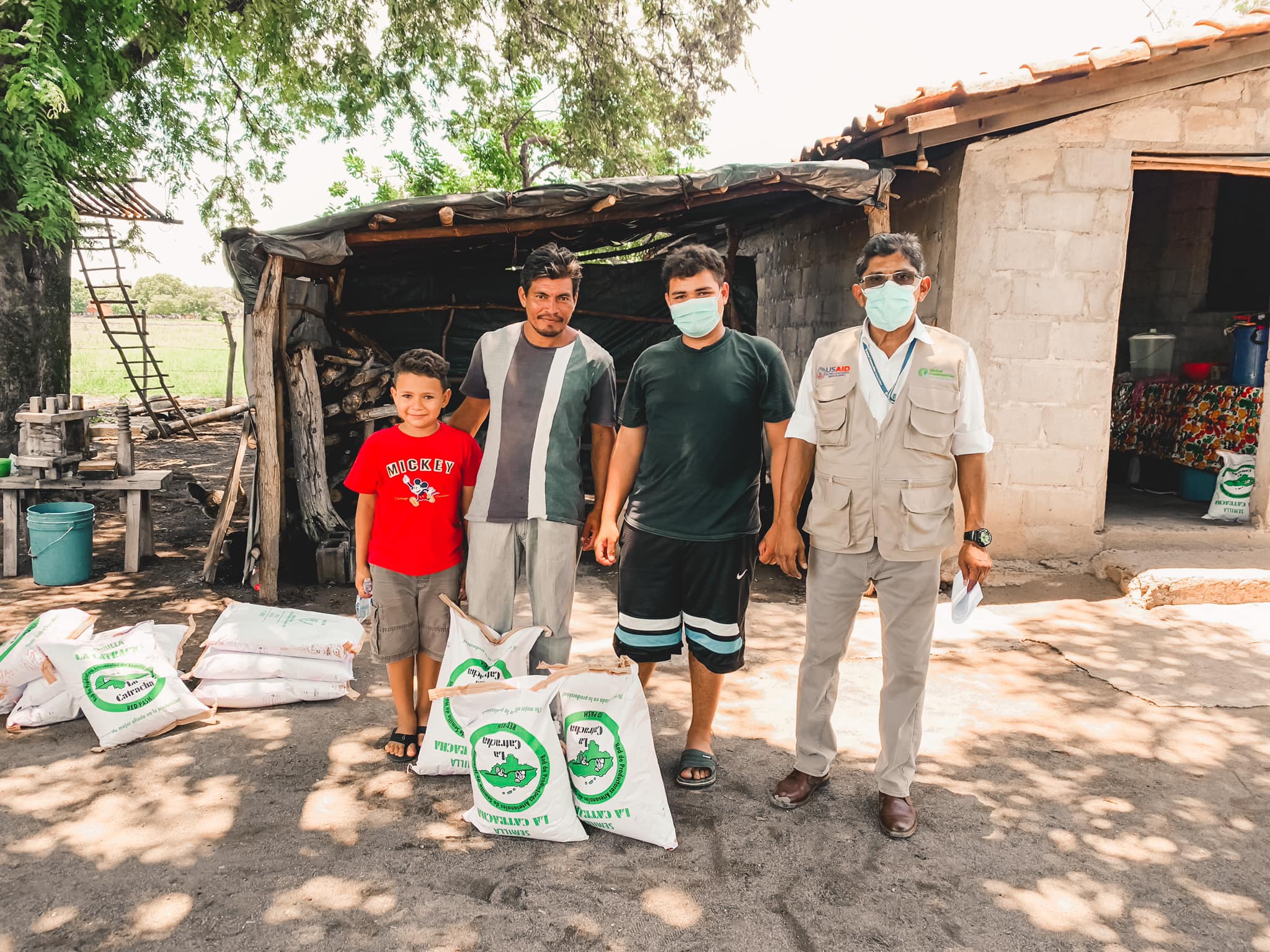
Honduras is located within the Northern Triangle of Central America, where Global Communities has worked for over five decades. Facing civil unrest and political strife, Honduras has one of the highest rates of violence in Central America, while poverty and insecurity cause significant outflows of migrants and asylum-seekers.
Global Communities works side-by-side with Hondurans to build stable, resilient communities through programs focused on disaster risk reduction and response, disease prevention, support for good governance and economic recovery.
Extreme weather driven by climate change has had a devastating impact on the livelihoods and food security of rural families that are dependent on agriculture, while natural disasters such as Hurricanes Eta and Iota left many people without basic necessities.
Global Communities works to meet immediate needs while building a foundation for a sustainable, lasting recovering, and preparing communities in advance of future shocks and stresses.
Emergency Water, Sanitation and Shelter Response to Natural Disasters
With support from the U.S. Agency for International Development’s Bureau of Humanitarian Assistance (USAID/BHA), Global Communities is implementing the Honduras Emergency WASH and Shelter (HEWS) program. HEWS aims to address both the immediate needs and early recovery of 100,050 people affected by recent natural disasters, including Hurricanes Eta and Iota, by organizing access to clean water, sanitation and hygiene, safe living conditions through improved shelter and settlements and multi-purpose cash assistance. Program activities also focus on fostering economic recovery through support to agricultural and non-agricultural livelihoods.
Moving the National HIV and Tuberculosis Responses Towards Sustainability
Global Communities works to support the Honduran National HIV Strategic Plan, which aims to achieve zero infections of HIV, zero discrimination and zero deaths related to AIDS. It prioritizes the three areas: increasing HIV testing capacity, reducing human rights barriers and increasing access to integrated care. In addition, Global Communities is working with partners to implement the End Tuberculosis Strategy, contributing to improving institutional response capacity of health units and the laboratory network, strengthening detection and management, improving attention for tuberculosis patients among prisoners and integrating prevention as well as the control of HIV to improve co-infection management.
Eliminating Malaria in Honduras
With a strong focus on eliminating malaria by 2022 and obtaining malaria-free certification from the World Health Organization by 2025, Global Communities is aligning its efforts with the national Honduran strategy to provide malaria surveillance, case management and vector control in the regions with the highest burden of disease. The program will develop a robust malaria surveillance system at the local, sub-national and national levels, guarantee universal coverage and quality of diagnosis, treatment and investigation of cases and strengthen the role of the health system, including the role of the community.
I’ve acquired a lot of new knowledge and experience, but most important, we have put everything we learned into practice.
- Mirian Hernandez, HACER COVID-19 Response Volunteer
Recent Programs
Health Assistance & COVID-19 Response
Global Communities improved municipal capacity in the department of Cortes and the Dry Corridor of Honduras to prevent and respond to the pandemic through the Health Assistance and COVID-19 Emergency Response (HACER) program. Through HACER, we provided critical health and water, sanitation and hygiene assistance to 122,147 Hondurans. Over the course of nine months from July 2020 to March 2021, activities included providing logistical support to municipal response teams, mobilizing a network of community health volunteers, conducting dialogue sessions with key community members to better understand the COVID-19 risks specific to each community and establishing a localized response plan linked to municipal response efforts. Following Hurricanes Eta and Iota, Global Communities coordinated with USAID/BHA to pivot some HACER program activities, such as provision of hygiene items, to combat the spread of COVID-19 in collective shelters established for those displaced by the storms.
Combating the Spread of Zika
The spread of the Zika virus in Honduras required immediate attention that targeted local communities and organizations most affected by the disease. Global Communities implemented Nuestra Salud (“Our Health”) to strengthen the role of community engagement in health and local systems. It aimed to enhance and expand on existing efforts in order to mount an effective response to the Zika virus. By working hand-in-hand with the Health Secretariat, the program mobilized a rapid response that aligns with and supports current systems and policies.
Improving Watershed Management
In the Dry Corridor of Honduras, an area particularly vulnerable to the effects of climate change, Global Communities implemented the Watershed Management and Conservation component of the Dry Corridor Alliance Program in the departments of La Paz, Intibucá and Lempira. From June 2017-June 2021, with funding from USAID and the Government of Honduras, Global Communities worked with national government agencies, local and regional governments, communities and water organizations to reduce land degradation rates and reforest watersheds, providing sustainable access to water for consumption and irrigation that is vital to survival. Stakeholders learned how to build a shared vision and action plan between all water users and local governments, leading to buy-in and long-term commitment from all parties to carry out watershed management and restoration actions. As a result of this collaborative work, 106,000 hectares of land are now under improved management practices with local support, 310 local water management organizations have been strengthened, 40,000 families are benefiting from better water infrastructure and 75 local forest protection groups have been trained and equipped for long-term forest conservation. In addition, 10 water quality laboratories and 45 hydroclimatic stations support evidence-based decision-making on water system administration, watershed management and governance.
Our Work in Honduras
Early Recovery & Market Systems
Advancing Market-Based Recovery
Food Security & Agricultural Livelihoods
Promoting Post-Emergency Food Production
Shelter & Settlements
Temporary Homes for Dignity, Safety and Privacy
Climate Action
Meeting the Challenge of Climate Change
Governance
Strengthening Civil Society, Democracy and Responsive Government
Positive Youth Development
Equipping Young People for Leadership and Success
Resources
Briefs & Case Studies
Strengthening Local Governance of Watershed Management for Water Supply and Irrigation in the Dry Corridor of Honduras
Under the Dry Corridor Alliance Program (ACS-USAID), the Government of Honduras and USAID aim to reduce extreme poverty and malnutrition in rural areas of Honduras. Since 2017, Global Communities has been implementing the “Watershed Management and Conservation” component of ACS-USAID in the departments of La Paz, Intibucá and Lempira, working with national government agencies, local…
NEWS
Latest stories from the blog
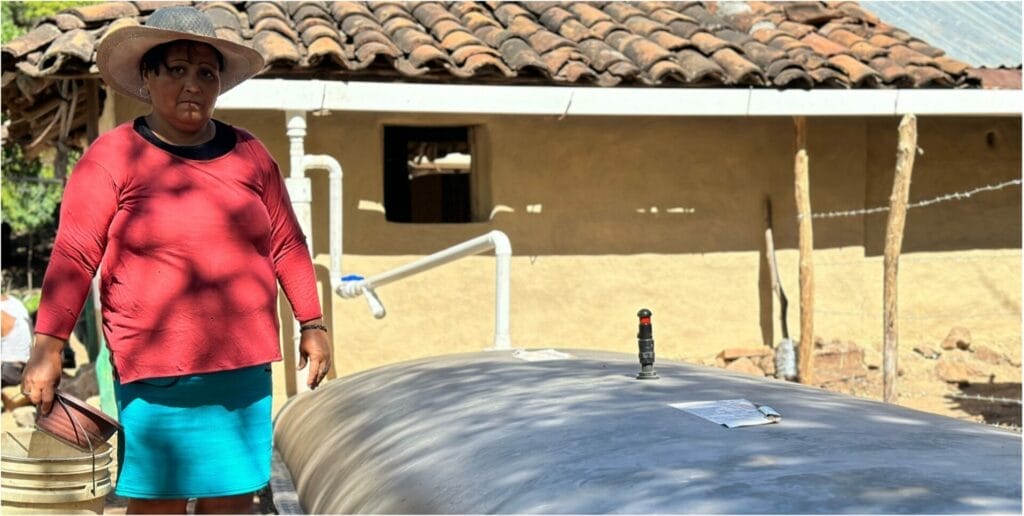
María’s Harvest: Empowering Sustainable Farming and Drought Resilience in Honduras
María Martínez is a wife, mother, grandmother and producer of basic grains living in the Zacatustal, San Ramón, Choluteca community in Honduras. Her home is …
Read More
Doses of Hope: Expanding Vaccine Access for Honduran Families
Immunizations are a cornerstone of global health, contributing to millions of lives saved. High vaccination rates limit the transmission of preventable diseases, protecting entire communities …
Read More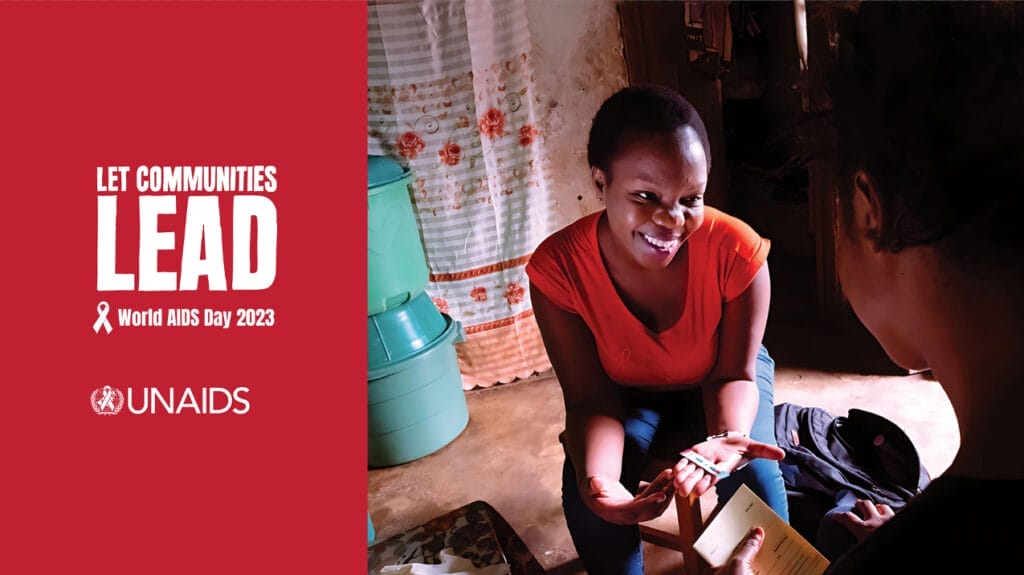
Uniting Communities: A Pivotal Force in Combating HIV/AIDS
By Betty Adera As we observe this year’s World AIDS Day, it is crucial to shine a light on persistent inequalities that continue to affect …
Read More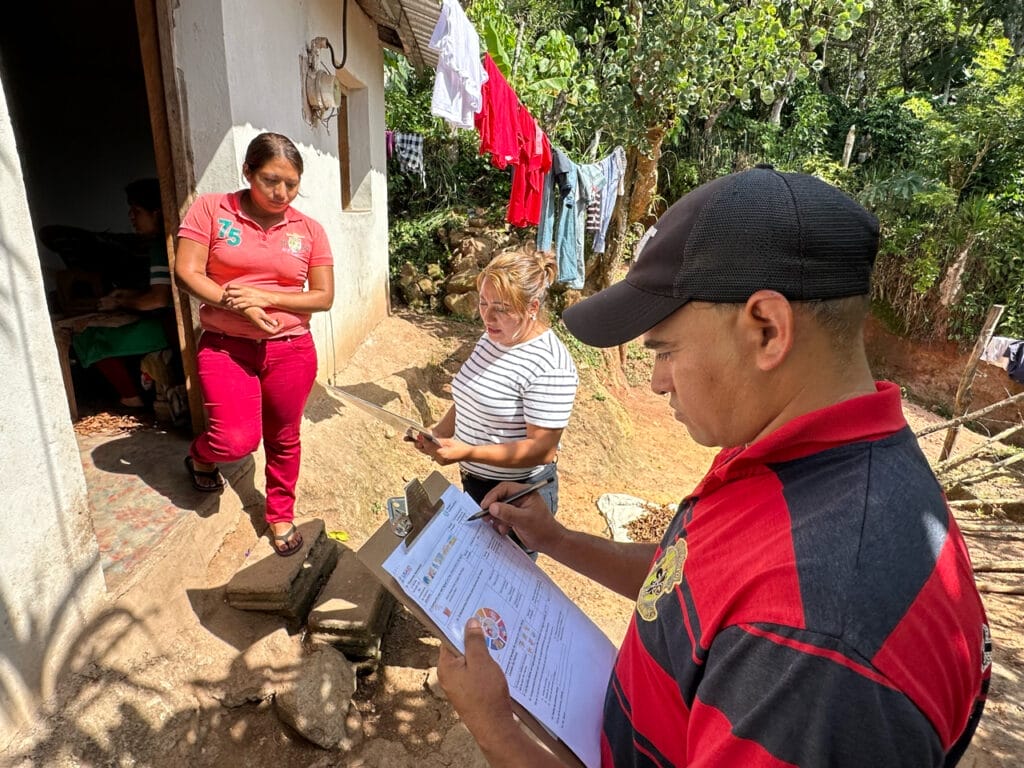
Hygiene Promotion Volunteers Help Make Clean Water Count in Communities
Until a few months ago, the community of El Bijao did not have access to clean and safe drinking water. Residents of the western Honduras …
Read More