
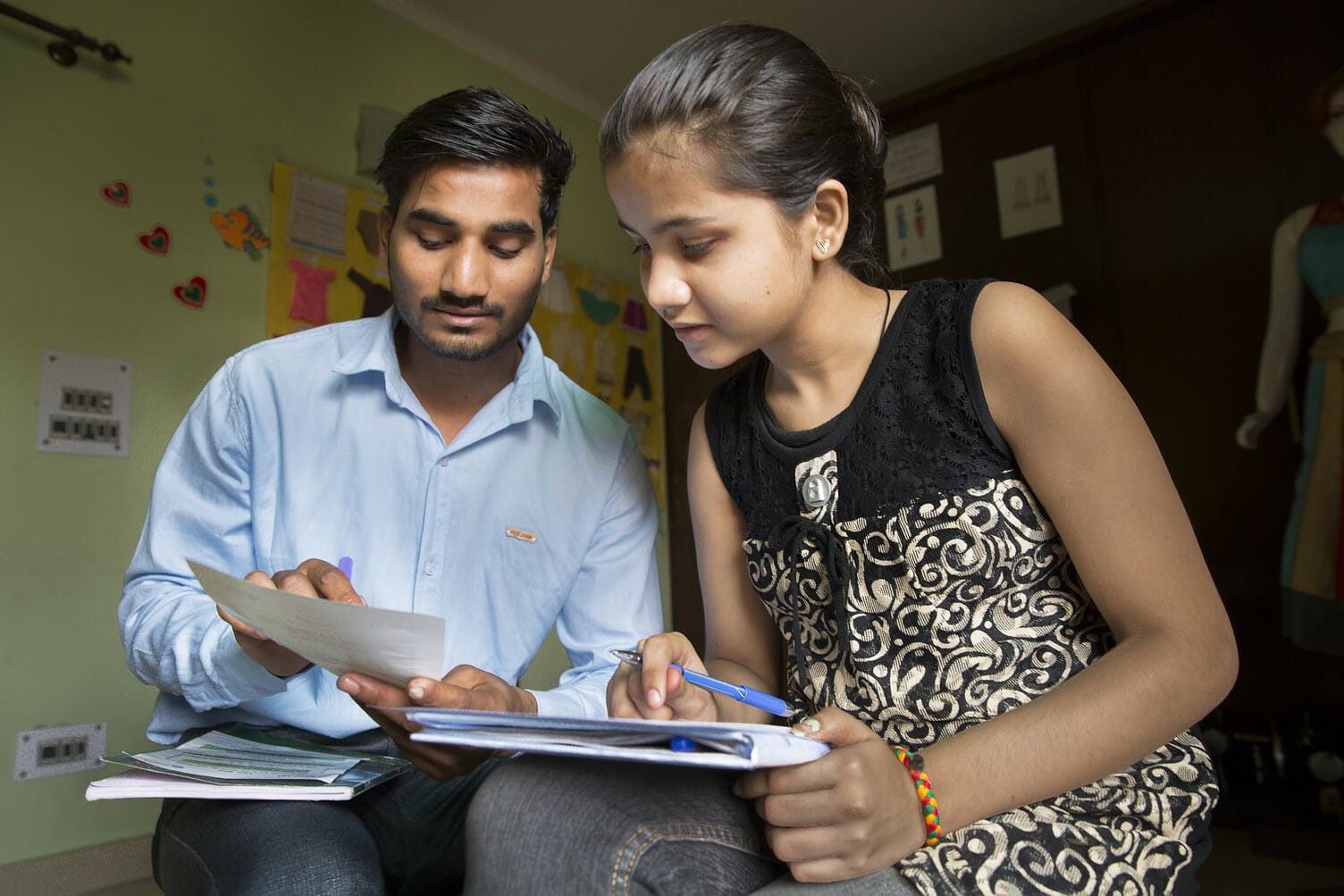
Through PCI India, Global Communities is working with low-income, vulnerable, and hard-to-reach populations in India. In collaboration with governments, the private sector and development partners, we create an enabling environment to solve complex development challenges alongside marginalized populations across geographies.
With a current presence in 13 states, Global Communities’ programs in India, including those previously led by PCI, have supported inclusive growth across a range of sectors.
With a diversified portfolio comprising health, nutrition, gender, social protection, livelihoods, and disaster response,
we create innovative program solutions, impactful implementation strategies and scalable models, ensuring communities are the champions of change.
Evidence based decision-making and data-driven management have been trademarks of our programs in India.
During the COVID-19 pandemic, the PCI India team sprang into action, adapting existing interventions to not only address the direct health threats of the pandemic, but also its significant effects on livelihoods, the economy, nutrition, and gender-based violence. With deep expertise in behavior change communications and public health campaigns, the team leveraged existing platforms to disseminate information to halt the spread of COVID-19 at the community level.
Gender and Development
PCI India’s interventions focus on advancing gender equity by addressing barriers to the social and economic development of women and girls. These gender barriers are addressed through sustainable and participatory solutions, including raising awareness, increasing community support for the agency of women and girls and reducing restrictive gender-based practices. We also engage men and boys as partners and recognize their integral role in changing repressive gender norms.
Nutrition
PCI India approaches nutrition holistically, incorporating both nutrition-specific and nutrition-sensitive interventions, and provides technical support to national and state governments. Working with women’s Self-Help Groups to increase healthy nutrition choices and practices has proven to be a highly successful intervention. Programs focused on nutrition for all and Maternal, Infant, and Young Child Nutrition include facilitating linkages between government departments and community platforms for improved nutrition services and entitlements.
Maternal and Child Health
PCI India offers a range of demand and supply side solutions to reduce risk factors for maternal, newborn and child survival, reducing disease burden, promoting appropriate health seeking behaviors and delivering reproductive healthcare. Our most successful demand side intervention approach includes specialized engagement leveraging community platforms and participatory tools to improve multiple maternal and child health outcomes. We also work towards ensuring community health rights and entitlements, particularly for women.
Family Planning
Family planning is central to gender equality and women’s empowerment. It has a deep influence on the overall economic status of a family and community. Influencing social and community norms to ensure women’s rights are at the heart of PCI India’s family planning interventions. Programs include empowering couples to discuss and choose birth control methods, lowering the incidence of unintended pregnancy, improving access to family planning services, and fostering changes in attitudes, behavior, and norms at the individual, family, and community level. PCI India develops unique and interactive behavior change communication tools that assist couples and households in adopting effective family planning practices.
Neglected Tropical Diseases
PCI India is committed to the effort to eliminate Neglected Tropical Diseases (NTDs). We are among the first organizations in India to successfully embed social mobilization in the National Vector Borne Disease Control program, which focuses on eliminating NTDs from India. Our expertise also lies in building the capacity of front-line health workers, supporting program design and improvement using nimble and sophisticated measurement, and developing social behavior change strategies for effective implementation of the NTD elimination programs. Our unique social mobilization approach focuses on leveraging existing platforms, layering the existing resources with action-oriented messages, linking with other potential channels, and covering all the touchpoints from the national level through the last mile.
Emergency Response
As an early responder to the COVID-19 crisis, PCI India has been working with national and state governments and a host of private donor agencies to raise mass awareness on COVID-appropriate behaviors, offer psycho-social support to affected families, mobilize communities for vaccination, address vaccine hesitancy and collect ground insights on secondary impacts of the pandemic, such as food security, mental and physical health, social protection and outcomes in poor and migrant households.
Social Protection
Since the beginning of the COVID-19 pandemic, PCI India has been supporting state governments with ground-level insights and technical assistance for redesigning and implementing social protection policies and programs to reduce vulnerability among the poor, socially marginalized, and returnee migrants. These programs promote efficient local labor markets, reducing people's exposure to risks, and enhancing their capacity to manage economic and social risks. PCI India has also undertaken primary research studies to understand the reach, coverage, and adequacy of various social protection measures in certain states with a higher burden of migration.
Economic Empowerment and Livelihoods
PCI India’s programs support marginalized households by focusing on women’s economic empowerment and increased access to resources. Programs work to link women with government programs, social and legal entitlements and provide information, education, counseling, training, and gender sensitization resources. These interventions result in higher participation in labor force, including employment in group-based local enterprises, public works programs and self-employment.
Recent Programs
Linking Health and Nutrition with Women’s Self-Help Groups
Integrating health and nutrition interventions with women’s Self-Help Groups is a hallmark approach conceptualized and implemented by PCI India that has reached millions of marginalized women and demonstrably improved their health.
With the support of the Bill & Melinda Gates Foundation, PCI India implemented the JEEViKA Technical Support Program in all 38 districts of the state of Bihar to improve health and nutrition outcomes for marginalized women. Over the decade-long life of the program, multiple independent evaluations have attributed more than a two-fold increase in dietary diversity in child feeding – a “sticky indicator” which had not seen improvements to this degree through any other interventions at scale in India.
The success of this program attracted the attention of other state governments and the Government of India to scale up the approach in other regions. With funding from the Bill & Melinda Gates Foundation, PCI India provided technical assistance to the Uttar Pradesh State Rural Livelihood Mission to scale health and nutrition integration. PCI India also provided technical support to the Tripura Rural Livelihood Mission and working with the National Rural Livelihood Mission to scale up health and nutrition integration in Self-Help Groups throughout the country.
Neglected No More
With support from the Bill & Melinda Gates Foundation, PCI India led the social mobilization component and supported the Government of India in the elimination of the Neglected Tropical Diseases Lymphatic Filariasis and Visceral Leishmaniasis. We provided technical support to the government to activate the social mobilization platforms for effective mass drug administration and improved indoor residual spraying activities. In 2020, PCI India supported nine states and 94 districts with social mobilization inputs leveraging 10,707 schools, 8,655 women’s self-help groups, and 5,029 panchayat leaders.
Gender Focus and Women’s Empowerment
PCI India implemented a community-based and scalable gender-transformative model called Strengthening Women's Institution for Agency and Empowerment within the structure and framework of Odisha Livelihood Mission. The project aimed to address gender disparities by focusing on:
- Security and freedom from discrimination, atrocities, and violence against women
- Ensuring women’s access to their social protection, rights, and entitlements
- Strengthening the identity of women and community-based institutions
- Creating institutions of women for sustaining change
The project successfully implemented multiple interventions, including a Gender Facilitation Center to improve access to information, resources, and entitlements through tele-counseling, a Gender Self-Learning Program, Gender Forum Meetings and community events in 20 districts, 54 blocks and 61 Gram Panchayats.
The Migrant Support Cell
As a consortium partner, PCI India supported the activities of the Migrant’s Support Cell, an initiative of the Department of Rural Development in Uttar Pradesh. The objective of the cell is to create employment avenues for COVID-19 affected returnee migrants and Self-Help Group members to mitigate adverse financial implications. Based on this program, Mahatma Gandhi National Rural Employment Guarantee Act 88 lakh households received wages, a significant increase over previous years. In 2021, the cell focused on gender intentional programming and increasing women’s participation through Mahatma Gandhi National Rural Employment Guarantee Act - Uttar Pradesh State Rural Livelihood Mission convergence, individual asset creation, an increased number of households with 100 days of employment, and promotion of Cluster Level Federations as the project implementation agency for Mahatma Gandhi National Rural Employment Guarantee Act activities across the state.
Our Work in India
HIV/AIDS & Infectious Diseases
Preventing the Spread of Infectious Diseases
Nutrition
Evidence-Based Interventions for Better Nutrition
Adolescent Health
Easing the Transition to Adulthood
Maternal, Newborn & Child Health
Improving Outcomes for Mothers and Babies
Enterprise & Market Development
Promoting Entrepreneurship and Market Linkages
Employment & Job Training
Supporting Inclusive Economic Growth
Expanding Economic Opportunity
Supporting Small and Medium-Sized Businesses and Community Savings and Lending Groups
Gender Equality & Social Inclusion
Lifting Marginalized Voices and Investing in Women as Leaders and Men as Allies
Health
Combating Disease, Improving Nutrition, and Ensuring Healthy Mothers, Children and Adolescents
Economic Opportunity
Advancing Job Training and Market Linkages for Sustainable Livelihoods
Sustainable Development
Standing with Communities as They Shape Their Own Future
Resources
Research & Publications
Facilitating behavioral change: A comparative assessment of ASHA efficacy in rural Bihar
Oskar Burger, Faiz Hashmi, Maciej J. Dańko, Santosh Akhauri, Indrajit Chaudhuri, Emily Little, Hannah G. Lunkenheimer, Sudipta Mondal, Nachiket Mor, Neela Saldanha, Janine Schooley, Palash Singh, Tracy Johnson, Cristine H. Legare Published: August 17, 2022
Research & Publications
Improving primary health care delivery in Bihar, India: Learning from piloting and statewide scale-up of Ananya
Darmstadt GL, Pepper KT, Ward VC, et al. 2020. Journal of Global Health. 10:2. 19pp. DOI: 10.7189/jogh.10.021001. In 2010, the Bill and Melinda Gates Foundation (BMGF) partnered with the Government of Bihar (GoB), India to launch the Ananya program to improve reproductive, maternal, newborn and child health and nutrition (RMNCHN) outcomes. The program sought to…
Research & Publications
Health impact of self-help groups scaled-up statewide in Bihar, India
Mehta KM, Irani L, Chaudhuri I, et al. 2020. Health impact of self-help groups scaled-up statewide in Bihar, India. Journal of Global Health. 10:2. 14pp. DOI: 10.7189/jogh.10.021006 The objective of this study was to assess the impact of self-help groups (SHGs) and subsequent scale-up on reproductive, maternal, newborn, child health, and nutrition (RMNCHN) and sanitation…
Research & Publications
Health layering of self-help groups: impacts on reproductive, maternal, newborn and child health and nutrition in Bihar, India
Mehta KM, Irani L, Chaudhuri I, et al. 2020. Health layering of self-help groups: impacts on reproductive, maternal, newborn and child health and nutrition in Bihar, India. Journal of Global Health. 10:2. 17pp. DOI: 10.7189/jogh.10.021007 Self-help group (SHG) interventions have been widely studied in low and middle income countries. However, there is little data on…
Research & Publications
Socio-economic Vulnerabilities to COVID-19 in India: Swimming against the Tide
Socio-economic Vulnerabilities to COVID-19 in India: Swimming against the Tide
NEWS
Latest stories from the blog
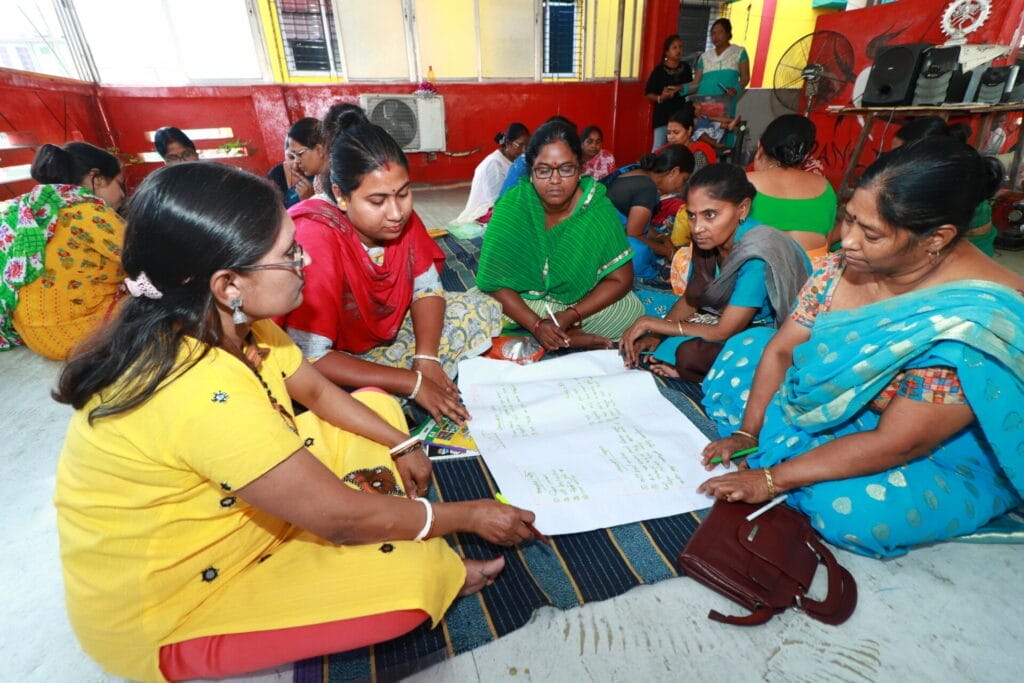
Promoting Women’s Entrepreneurship to Drive Economic Growth: Perspectives from India
By Irina Sinha, Project Concern International (PCI) India India has grown into the fifth largest economy in the world. The growth of the country’s gross …
Read More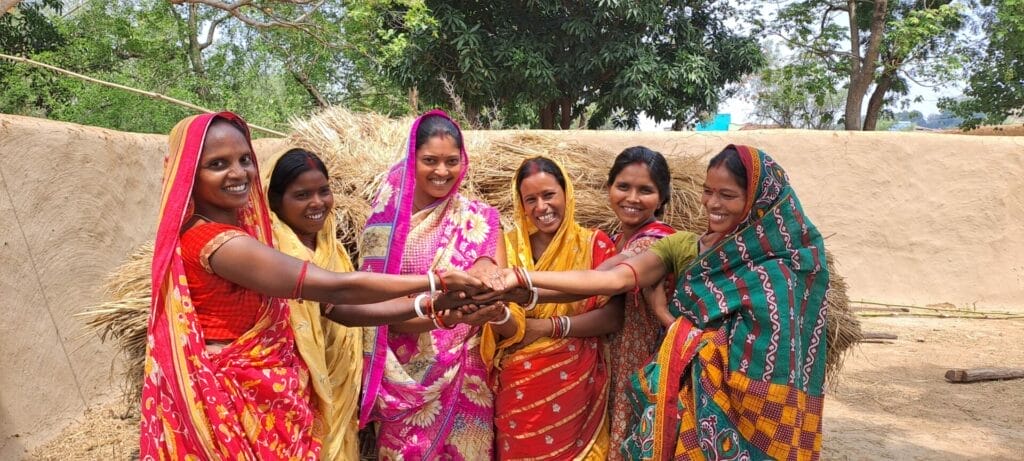
Mothers Take the Center Stage to End Child Marriage
By Sushmita Mukherjee, PCI India and Dennis Mello, Global Communities Proposals for marriage began coming for Pushpa three years ago, when she was only 15 …
Read More
Right to Care: Family-Centered Approaches for Vulnerable Children and Adolescents
By Betty Adera The impact of disasters, complexities of humanitarian crises and ongoing effects of climate change pose major threats to the lives of children. …
Read More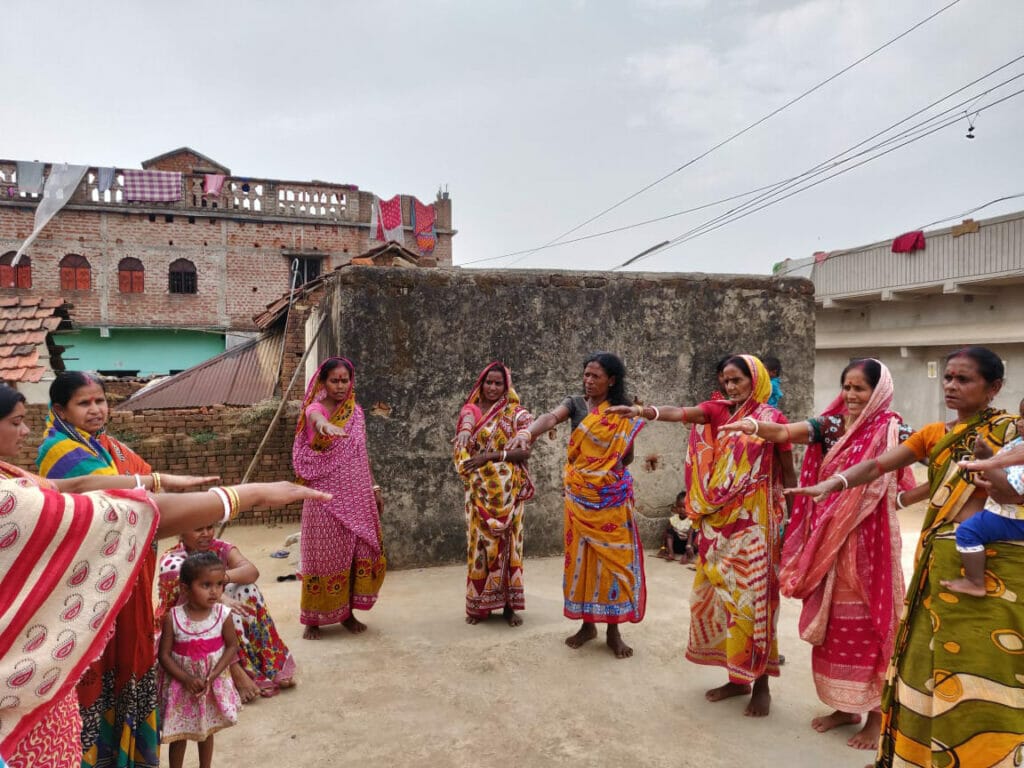
Mothers in India Lead the Process of Change and Girls’ Empowerment
By Sushmita Mukherjee A healthy and skilled adolescent girl is best placed to make informed decisions not only for herself but also for others who …
Read More