
Global Communities was founded in 1952 as the Cooperative Housing Foundation, a U.S. organization that helped build houses for people in need based on the cooperative model. From the very beginning, we focused on working with communities to meet their needs, and over three decades, built 60,000 houses in 35 U.S. states.
Though our name has changed and our impact has grown to reach over 30 countries, our commitment to partnering with communities in the U.S. to bring about sustainable, positive change remains the same. In 2020, Global Communities merged with Project Concern International (PCI), a global development organization with roots working in health on the U.S.-Mexico border.
Today, Global Communities provides multi-cultural health education, outreach and related social services in the U.S.-Mexico border region and is known nationally as a leader in the design and implementation of high impact, low-cost, innovative programming that is culturally tailored, person-centered and improves access to quality care. We understand that a high quality, culturally congruent workforce is critical to achieving health equity.
Convening stakeholders and strengthening the capacity of partner networks to achieve collective goals is a core strength of Global Communities’ U.S. programming. Our U.S. team is recognized as a trusted partner, thought leader and convener of coalitions across sectors and health and social issue areas, including birth equity and maternal health, human trafficking prevention, disease prevention and response, water and sanitation and migrant and binational health care.
Global Communities’ U.S. team is highly experienced managing multi-sector collaborations, including the Healthy Start Community Action Network, an alliance of over 60 agencies and programs in San Diego, California aligned around common collective impact goals to increase healthy pregnancies, safe labor and delivery, and nurturing parenting for all of San Diego’s families. In addition, we help lead the San Diego Trafficking Prevention Collective, an initiative to bring human trafficking awareness and prevention education to every school district across the county and the Employers Ending Exploitation Alliance, a newly formed coalition to leverage the collective power of the local business community to diminish human trafficking in San Diego.
Eliminating Disparities in Maternal & Child Health
Global Communities wants every child to have a strong start in life. Funded by the U.S. Health Resources and Services Administration, Global Communities’ Healthy Start programs are taking a person-centered approach to reducing infant mortality and improving family health. Healthy Start provides free prenatal and childbirth education, postpartum and breastfeeding support, with a focus on Black families and immigrants in San Diego and San Bernardino Counties. The projects seek to improve birth outcomes and support early child development through healthy and nurturing parent-child interactions. Enrolled participants have access to midwifery and doula services and other resources. Health educators, known as perinatal navigators, provide home-based visits for families from the time they are pregnant until their child is 18 months old. To achieve maximum sustainability and culturally competent services, Healthy Start also engages in perinatal workforce development, training women from underserved populations to become childbirth educators, doulas and lactation educators. Learn more:
Human Trafficking Awareness & Prevention
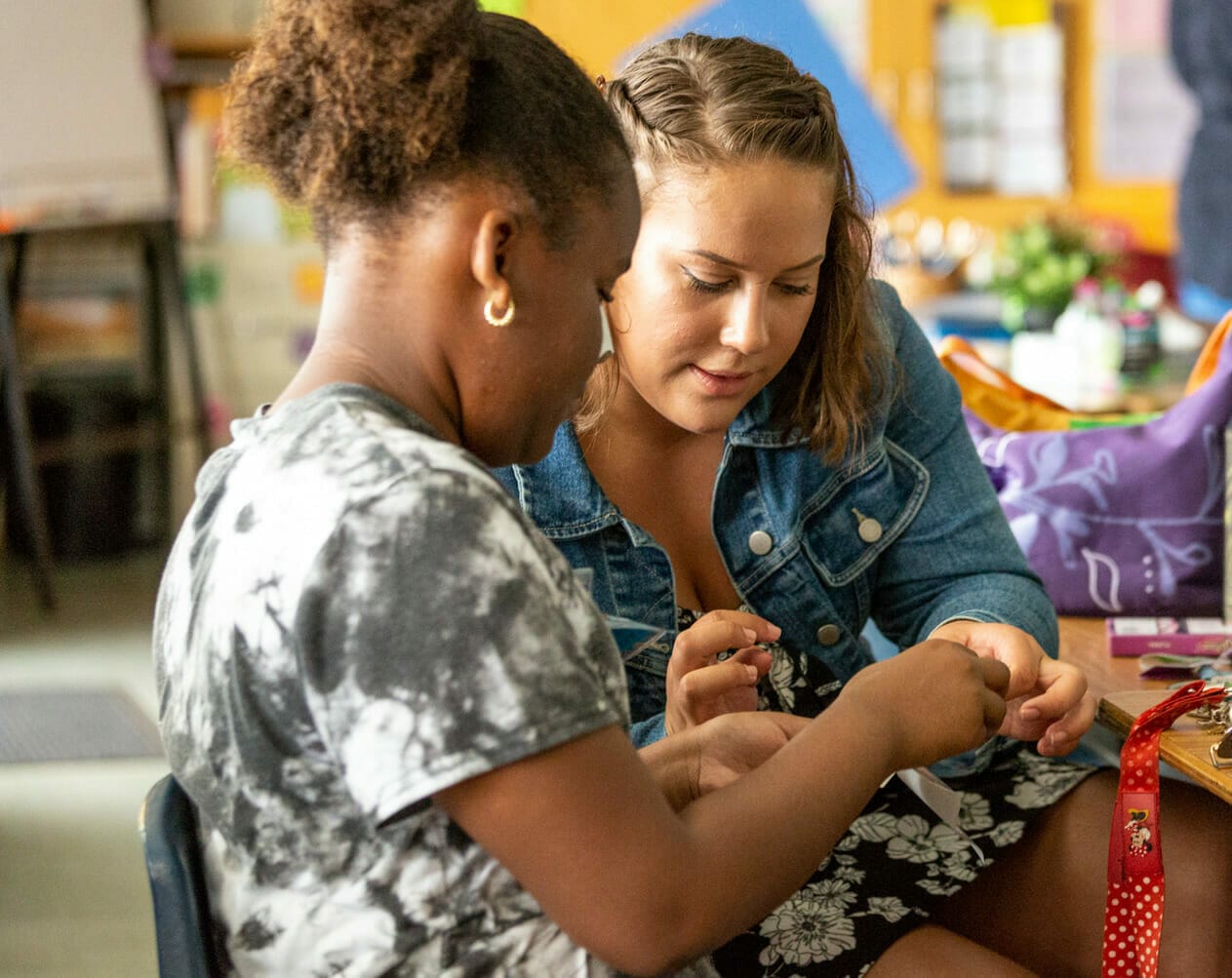
Approximately 3,500 people are trafficked in San Diego County each year. The average age of entry into child commercial sexual exploitation is 16, with significant recruitment happening on high school and middle school campuses. Global Communities’ Human Trafficking Prevention Initiative addresses the problem of human trafficking through raising awareness, building coalitions and empowering youth to prevent the problem before it begins. Through Project ROOTS, Global Communities educates and empowers at-risk youth ages 8-13 and addresses the root causes of gender-based violence, sexual exploitation and unhealthy relationships. Project ROOTS is one of the three interventions in the San Diego Trafficking Prevention Collective, an initiative to bring human trafficking awareness and prevention education to every school district across the county. In addition, Global Communities created the Employers Ending Exploitation Alliance, a coalition to leverage the collective power of the local business community to diminish human trafficking in San Diego.
COVID-19 Vaccination Education & Outreach
Global Communities began COVID-19 vaccine outreach in February 2021 to build partnerships with local organizations across San Diego County, including helping elderly Meals on Wheels clients get vaccinated. Starting in May 2021, we partnered with the County of San Diego Health and Human Services Agency to conduct vaccine education and outreach in the Central and North Central regions in coordinated efforts to increase vaccine equity. We do this through in-person events with local community partners, providing online webinars and education sessions to parents and staff through schools, incentives through a local business partnership program and an extensive online presence through Instagram to reach and interact with youth. Our team of COVID-19 Outreach Specialists are highly trained, from the communities they are serving, and speak English, Spanish, Arabic and Tagalog.
Community Health Worker Training
Global Communities has been instrumental in the development of programs to train and deploy the community-based health workforce in San Diego since 1999, when Global Communities (then operating as PCI) helped to establish the Community Health Worker (CHW) Certification Program at San Diego City College and a 10-week CHW Leadership Academy to prepare individuals to pursue CHW careers. Since then, Global Communities has partnered with the Centers for Disease Control and Prevention, National Heart, Lung, and Blood Institute and others to implement a variety of CHW trainings that capacitate those who share ethnicity, language, socioeconomic status and life experiences as trusted, knowledgeable and skilled educators. Our CHW and community-based doula and lactation education training programs have graduated over 400 individuals who provide high quality, culturally congruent care to thousands of individuals from diverse Hispanic, East African, Haitian and Middle Eastern immigrant communities across the region. CHWs provide outreach and community presentations on chronic disease prevention and make referrals for preventative care to key clinical partners.
Flourishing Communities has created a momentum by not forgetting the power of grassroots movements, all the way to the importance of systems change - you can see the energy and the momentum.
- Jayne O’Brien, Executive Director of the Moline Community Development Corporation
Recent Programs
A Community Approach to COVID-19 Contact Tracing
In September 2020, Global Communities (formerly operating as PCI) began collaborating with the County of San Diego Health and Human Services Agency to help prevent the spread of COVID-19 through contact tracing. The program focused on quickly and successfully reaching close contacts of people who tested positive for the coronavirus and supported those individuals through the monitoring process to reduce the risk of them further spreading the disease.
Throughout the course of the program, our staff spoke 13 languages (English, Spanish, Tagalog, Iloken, Vietnamese, Cantonese, Mandarin, Arabic, Chaldean, Kurdish/Assyrian, Farsi/Dari and Pashto) to reach communities hit hardest by COVID-19 and to understand what people were experiencing during the height of the pandemic. Each week, we traced 265 new contacts assigned to us by the County after their disease investigators conducted interviews with laboratory confirmed COVID cases. During the program, our team made 34,588 calls to contacts. Of the contacts Global Communities traced since mid-November 2020, our contact tracing team placed 2,739 people in quarantine and 695 people in isolation. (Ended May 2021)
Participatory Community Development
With support from the John Deere Foundation, Global Communities implemented Flourishing Communities, a program aimed to reinvigorate the historic neighborhood of Moline, Illinois, using grassroots, participatory approaches. Flourishing Communities made a positive impact for 1,083 beneficiaries, catalyzing locally-led and locally owned community and economic development. Flourishing Communities strengthened the engagement and capacities of a total of 61 local community organizations and businesses, increased the knowledge and skills of residents and their families and built public buy-in for community-led initiatives. The program brought together the talents, skills and energies of the Floreciente and Stephens Parkview communities and built capacity to mobilize local resources to help bring about changes in their communities and contribute to the improvements they envisioned for the future. Global Communities considers the Flourishing Communities program a model for development work in the United States, with a replicable design and framework that could be scaled across the country. (Ended 2019)
Collective Impact Along the U.S.-Mexico Border
With funding from the U.S. Department of Health & Human Services, Global Communities led the Border States Collaborative Improvement and Innovation (CoIIN) initiative to reduce infant mortality. The Border States CoIIN modeled a border wide, multi-state approach and strengthened the capacity of government and community stakeholders across Arizona, California, New Mexico and Texas to apply innovation and human-centered design, quality improvement and collaborative learning to increase early and ongoing prenatal care utilization across the region. Each state team developed and tested an innovative, place-based solution and worked with their respective state departments of health to measure impact in real time. Tested prototypes included research and national policy updates to better capture foreign/cross-border prenatal care in U.S. vital statistics, a chatbot offering free, confidential information on pregnancy testing, sexually transmitted diseases and prenatal care, an updated community health worker prenatal/preconception curriculum for the state of New Mexico and improved clinic workflows for pregnancy testing visits, resulting in reduced delays for prenatal care scheduling and improved rates of first trimester prenatal care. Successful prototypes were gathered and recommended for scaling across the region and beyond. The CoIIN left in place a strong cross-state network and several promising interventions to improve prenatal care access and utilization, including a national policy change that will result in strengthened data around prenatal care in vital statistics in the future. (Ended September 2020)
Our Work in the United States
Positive Youth Development
Equipping Young People for Leadership and Success
Gender Equality & Social Inclusion
Lifting Marginalized Voices and Investing in Women as Leaders and Men as Allies
Health
Combating Disease, Improving Nutrition, and Ensuring Healthy Mothers, Children and Adolescents
Economic Opportunity
Advancing Job Training and Market Linkages for Sustainable Livelihoods
Sustainable Development
Standing with Communities as They Shape Their Own Future
Resources
Briefs & Case Studies,Research & Publications
COVID-19 Response Program Summary Approach
From August 2020 to June 2022, Global Communities’ COVID-19 Response Program addressed health equity issues across San Diego County by offering contact tracing and providing vaccine education and outreach services. The programmatic approach specialized in building a community-based workforce, community trust and data-driven technology to provide bespoke COVID-19 prevention services to hard-to-reach and hard-to-vaccinate populations.
Briefs & Case Studies
Closing the U.S. Sanitation Equity Gap: Exploring Opportunities to Learn from the Global Sanitation Sector Experience
The purpose of this technical research brief is to describe equity gaps in safely managed sanitation for people living with poverty and other disadvantaged communities in the U.S. and to understand how lessons learned by Global Communities and other international development partners working in underdeveloped countries present opportunities to address this challenge.
Research & Publications
An Infant Carrier Intervention and Breastfeeding Duration: A Randomized Controlled Trial
Emily E. Little, PhD, CLEC, Camille C. Cioffi, PhD, Lisa Bain, MPH, Cristine H. Legare, PhD, Jennifer Hahn-Holbrook, PhD OBJECTIVES: Parent-infant skin-to-skin contact immediately after birth increases initiation and abstract duration of bodyfeeding. We hypothesized that providing ergonomic carriers to parents during pregnancy would increase the likelihood of breastfeeding and expressed human milk feeding through…
Briefs & Case Studies
Youth-led development of a Chatbot to Increase Early Prenatal Care Utilization in Santa Cruz County, Arizona
A TECHNICAL BRIEF on the Arizona Initiative of the Border States CoIIN The Border States Collaborative Improvement and Innovation Network (CoIIN; see inset) Arizona team sought to better understand barriers associated with the initiation of first trimester prenatal care among youth in Santa Cruz County to inform the design of innovative solutions to help overcome…
Briefs & Case Studies
Enhancing the Pregnancy Test Visit to Increase Timely Prenatal Care
A TECHNICAL BRIEF on the Texas Initiative of the Border States CoIIN In March, 2018, the Texas team of the Border States CoIIN was convened by BCFS Health and Human Services, the Texas state lead organization. The team used a series of collaborative human-centered design exercises conducted onsite at UMC clinics to analyze the factors…
NEWS
Latest stories from the blog

Pass the Mic: Reinvigorating Global Efforts to Reduce Maternal and Child Mortality
By Paula Rudnicka, Sr. Manager for Public Affairs at Global Communities In 2012, the United States Agency for International Development (USAID) partnered with the United …
Read More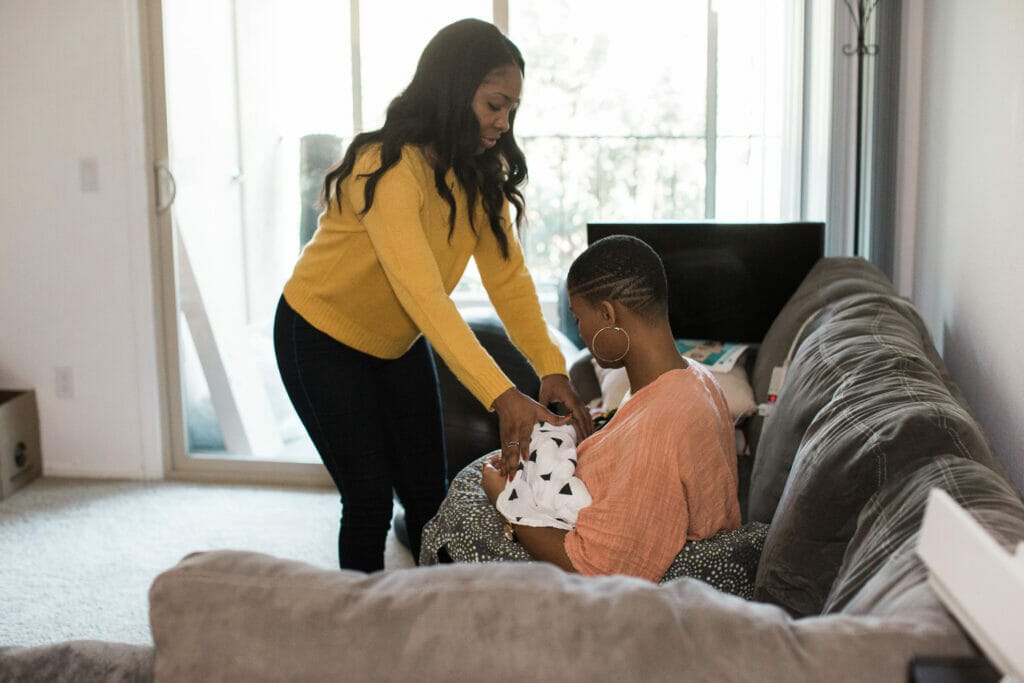
Giving San Diego Infants a Healthy Start through Lactation Education and Access
By Lizzie Hickman The recent baby formula shortage in the United States (U.S.) has brought attention to infant nutrition needs and costs. The scarcity highlighted a …
Read More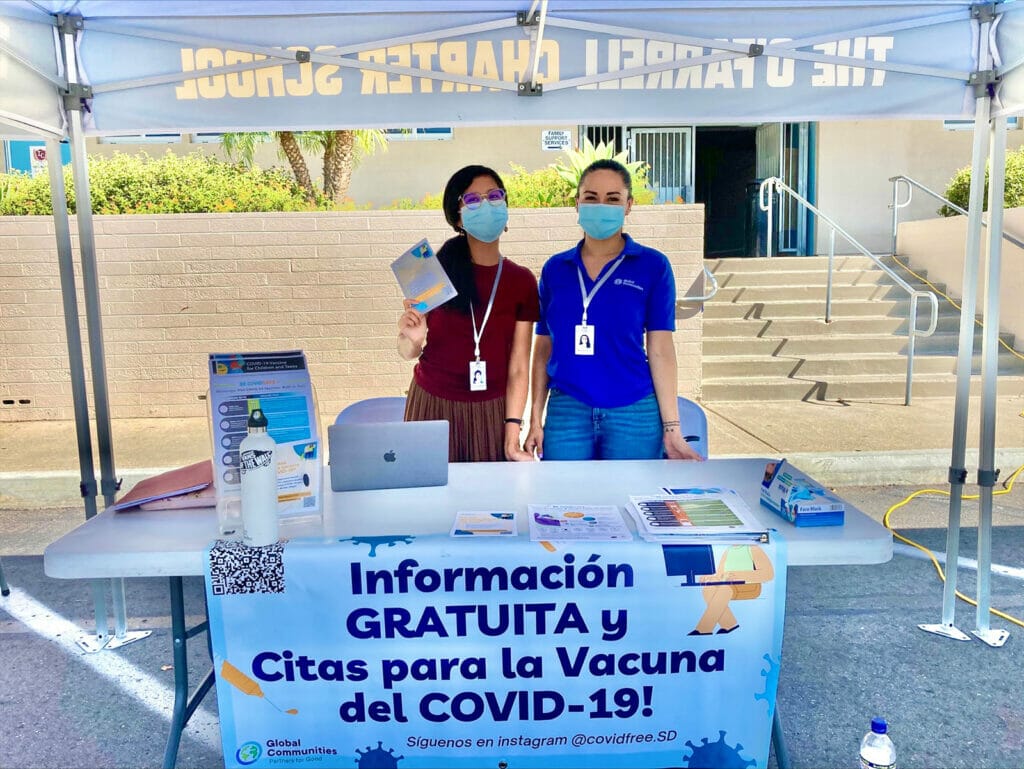
Reflecting on the COVID-19 Response Program’s Impact in San Diego
In May 2020, the world could not fathom what the future had in store, nor could Global Communities (then Project Concern International) envision the myriad …
Read More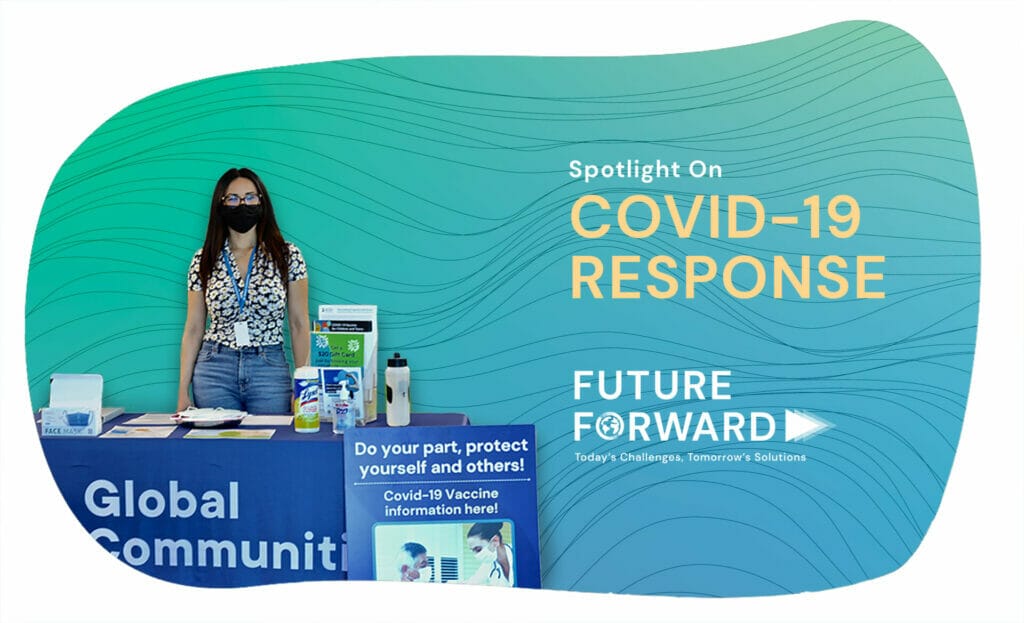
Q&A with Arwa Alkhawaja, COVID Outreach Specialist in San Diego
By Natalia López-Thismón When the COVID-19 pandemic began in 2020, Global Communities (then operating as PCI) moved quickly to collaborate with the County of San …
Read More